Causes of and Risk Factors for Gout

Gout is a form of inflammatory arthritis that typically affects the feet, especially the big toe joint. It occurs when uric acid builds up in the blood and forms sharp crystals in the joints, often causing sudden, severe pain, swelling, and warmth. This buildup may result from the kidneys not eliminating enough uric acid or from consuming foods that are high in purines, such as red meat, organ meats, certain seafood, and alcohol. Risk factors for gout include being overweight, having a family history of gout, or living with kidney disease, diabetes, or heart disease. Gout tends to appear more often in men over 40, and in women after menopause. A podiatrist can assist by diagnosing gout through imaging or joint fluid analysis and offering foot-specific treatment strategies. If you are experiencing symptoms of gout, it is suggested that you promptly schedule an appointment with a podiatrist for an exam and effective management tips.

Gout is a painful condition that can be treated. If you are seeking treatment, contact our podiatrists from Superior Foot & Ankle Center. Our doctors will treat your foot and ankle needs.

What Is Gout?

Gout is a form of arthritis that is characterized by sudden, severe attacks of pain, redness, and tenderness in the joints. The condition usually affects the joint at the base of the big toe. A gout attack can occur at any random time, such as the middle of the night while you are asleep.

Symptoms

  • Intense Joint Pain - Usually around the large joint of your big toe, and it most severe within the first four to twelve hours
  • Lingering Discomfort - Joint discomfort may last from a few days to a few weeks
  • Inflammation and Redness -Affected joints may become swollen, tender, warm and red
  • Limited Range of Motion - May experience a decrease in joint mobility

Risk Factors

  • Genetics - If family members have gout, you’re more likely to have it
  • Medications - Diuretic medications can raise uric acid levels
  • Gender/Age - Gout is more common in men until the age of 60. It is believed that estrogen protects women until that point
  • Diet - Eating red meat and shellfish increases your risk
  • Alcohol - Having more than two alcoholic drinks per day increases your risk
  • Obesity - Obese people are at a higher risk for gout

Prior to visiting your podiatrist to receive treatment for gout, there are a few things you should do beforehand. If you have gout you should write down your symptoms--including when they started and how often you experience them, important medical information you may have, and any questions you may have. Writing down these three things will help your podiatrist in assessing your specific situation so that he or she may provide the best route of treatment for you.

If you have any questions, please feel free to contact our office located in Long Beach, CA . We offer the newest diagnostic and treatment technologies for all your foot care needs.

Read more about Gout

Wearing Ill-Fitting Shoes Can Affect Your Toes

Wearing shoes that do not fit properly can put stress on the toes, leading to a range of foot problems. Shoes that are too tight in the toe box may crowd the toes, which can result in corns, calluses, and painful nerve conditions like neuromas. High heels or shoes that elevate the heel significantly can increase pressure on the forefoot, shifting weight onto the toes and altering foot alignment. Over time, this can cause or worsen deformities like hammertoes or bunions. Shoes that are too loose may allow the foot to slide forward, creating friction that can irritate the toes and lead to blisters or toenail damage. A podiatrist can evaluate your foot structure, check for existing damage, and recommend proper footwear or custom orthotics to relieve pressure and prevent further injury. If you are experiencing toe or foot pain, it is suggested that you schedule an appointment with a podiatrist for an exam and  treatment options.

Finding a properly-fitting shoe is important in reducing injuries and preventing foot problems. For more information about treatment, contact our podiatrists from Superior Foot & Ankle Center. Our doctors will treat your foot and ankle needs.

Proper Shoe Fitting

A common concern when it comes to foot health, having properly fitted shoes can help prevent injuries to the foot. Out feet affect our posture and gait, which in turn affects the biomechanics and overall bodily structure. With 33 joints, 26 bones, and over 100 ligaments, the potential for serious injury is much greater than one realizes. Although the feet cease growth in adulthood, they still change shape as they mature. Here are some factors to consider when it comes to investing in proper fitting shoes:

  • Be sure the shoes fit correctly right away
  • Ensure the ball of your foot fits comfortably in the widest portion of the shoes
  • Even though they may look fashionable, improper fitting shoes can either create adverse conditions or exacerbate existing ones you may already have
  • Walk along a carpeted surface to ensure the shoes comfortably fit during normal activity

Keeping in mind how shoes fit the biomechanics of your body, properly-fitting shoes are vitally important. Fortunately, it is not difficult to acquire footwear that fits correctly. Be sure to wear shoes that support the overall structure of your body. Do your feet a favor and invest in several pairs of well-fitted shoes today.

If you have any questions, please feel free to contact our office located in Long Beach, CA . We offer the newest diagnostic and treatment technologies for all your foot care needs.

Read more about Proper Shoe Fitting

Risk Factors and Treatment of Bunions

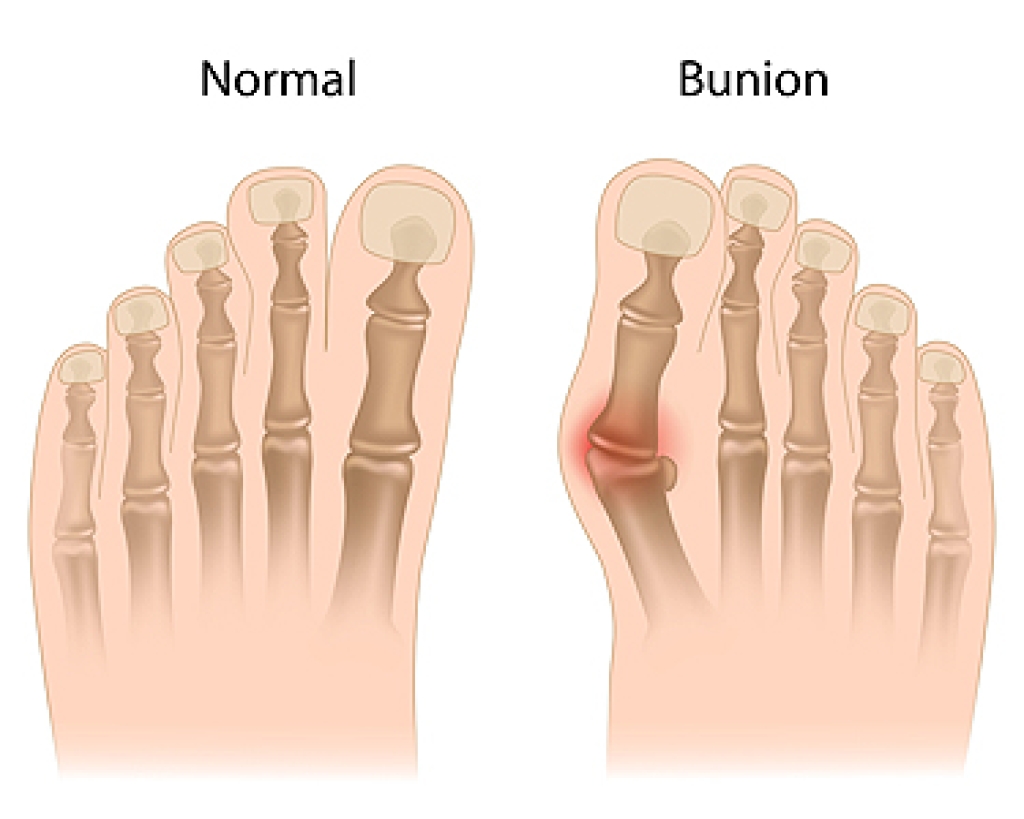
A bunion is a deformity of the joint at the base of the big toe, where the bones gradually shift out of alignment. This happens when the tip of the big toe leans toward the smaller toes, forcing the metatarsal bone inward and forming a bony lump at the joint. Bunions may develop slowly over years, or appear more rapidly in adolescents. Risk factors include family history, wearing shoes that squeeze the toes, inflammatory joint diseases like rheumatoid arthritis, and structural foot problems, such as over-pronation. Bunions often cause pain, redness, swelling, and thickened skin over the joint. A podiatrist can help by providing supportive devices to ease pressure and correcting foot mechanics. In severe cases, surgery may be required to realign the bones and relieve pain. If you have a bunion that is interfering with your daily activities, it is suggested that you schedule an appointment with a podiatrist for an exam and appropriate treatment options.

If you are suffering from bunion pain, contact our podiatrists of Superior Foot & Ankle Center. Our doctors can provide the care you need to keep you pain-free and on your feet.

What Is a Bunion?

Bunions are painful bony bumps that usually develop on the inside of the foot at the joint of the big toe. As the deformity increases over time, it may become painful to walk and wear shoes. Women are more likely to exacerbate existing bunions since they often wear tight, narrow shoes that shift their toes together. Bunion pain can be relieved by wearing wider shoes with enough room for the toes.

Causes

  • Genetics – some people inherit feet that are more prone to bunion development
  • Inflammatory Conditions - rheumatoid arthritis and polio may cause bunion development

Symptoms

  • Redness and inflammation
  • Pain and tenderness
  • Callus or corns on the bump
  • Restricted motion in the big toe

In order to diagnose your bunion, your podiatrist may ask about your medical history, symptoms, and general health. Your doctor might also order an x-ray to take a closer look at your feet. Nonsurgical treatment options include orthotics, padding, icing, changes in footwear, and medication. If nonsurgical treatments don’t alleviate your bunion pain, surgery may be necessary.

If you have any questions, please feel free to contact our office located in Long Beach, CA . We offer the newest diagnostic and treatment technologies for all your foot care needs.

Read more about What Are Bunions?

Heel Pain Can Be Treated!

Do you suffer from heel pain when you get up in the morning? If so, you should seek professional help and have a proper diagnosis performed. Heel pain can be caused by several different foot-related conditions.

Toe Pain Caused by Arthritis

Arthritis in the toes occurs when the joints become inflamed, often causing pain, stiffness, and swelling. The big toe is frequently affected, although smaller toes may also become painful. Common causes include osteoarthritis, rheumatoid arthritis, or gout, as well as past injuries such as sprains or fractures. Risk factors include aging, excess weight, family history, or wearing tight, high-heeled shoes. As cartilage between the toe joints wears away, bones may rub together, leading to inflammation and pain. Symptoms range from a dull ache to sharp stabbing sensations, particularly during walking. Stiffness and swelling can make it hard to move the toes or wear shoes comfortably. In some cases, clicking or grinding noises may occur as the joint deteriorates. The toe may even change shape, appear larger, or shift position. If you are experiencing symptoms of arthritic toe pain, it is suggested that you schedule an appointment with a podiatrist for an exam and appropriate treatment options.

Arthritis can be a difficult condition to live with. If you are seeking treatment, contact our podiatrists from Superior Foot & Ankle Center. Our doctors can provide the care you need to keep you pain-free and on your feet.

Arthritic Foot Care  

Arthritis is a term that is commonly used to describe joint pain.  The condition itself can occur to anyone of any age, race, or gender, and there are over 100 types of it.  Nevertheless, arthritis is more commonly found in women compared to men, and it is also more prevalent in those who are overweight. The causes of arthritis vary depending on which type of arthritis you have. Osteoarthritis for example, is often caused by injury, while rheumatoid arthritis is caused by a misdirected immune system.

Symptoms

  • Swelling
  • Pain
  • Stiffness
  • Decreased Range of Motion

Arthritic symptoms range in severity, and they may come and go. Some symptoms stay the same for several years but could potentially get worse with time. Severe cases of arthritis can prevent its sufferers from performing daily activities and make walking difficult.

Risk Factors

  • Occupation – Occupations requiring repetitive knee movements have been linked to osteoarthritis
  • Obesity – Excess weight can contribute to osteoarthritis development
  • Infection – Microbial agents can infect the joints and trigger arthritis
  • Joint Injuries – Damage to joints may lead to osteoarthritis
  • Age – Risk increases with age
  • Gender –Most types are more common in women
  • Genetics – Arthritis can be hereditary

If you suspect your arthritis is affecting your feet, it is crucial that you see a podiatrist immediately. Your doctor will be able to address your specific case and help you decide which treatment method is best for you.

If you have any questions please feel free to contact our office located in Long Beach, CA . We offer the newest diagnostic tools and technology to treat your foot and ankle needs.

Read more about How to Care for Your Arthritic Foot

Treatment Options for Foot Stress Fractures

A stress fracture in the foot is a small, hairline crack in a bone, often caused by repetitive impact or overuse. This type of fracture commonly affects the metatarsals, navicular, or heel bone and can lead to localized pain, swelling, and difficulty bearing weight. Treatment depends on the severity and location of the fracture. Most foot stress fractures respond well to non-weight-bearing rest and protective footwear, such as a walking boot or stiff-soled shoe, to reduce pressure during healing. In some cases, a cast or crutches may be needed to keep weight off the affected foot. If the fracture does not heal with conservative care, surgery may be required. This usually involves using screws or pins to hold the bone in place. Recovery can take several weeks, and imaging may be used to confirm healing before resuming activity. If you experience foot pain after repetitive activities like running or participate in certain sports, it is suggested that you schedule an appointment with a podiatrist for a diagnosis and appropriate treatment options.

Stress fractures occur when there is a tiny crack within a bone. To learn more, contact our podiatrists from Superior Foot & Ankle Center. Our doctors can provide the care you need to keep you pain free and on your feet.

How Are They Caused?

Stress fractures are the result of repetitive force being placed on the bone. Since the lower leg and feet often carry most of the body’s weight, stress fractures are likely to occur in these areas. If you rush into a new exercise, you are more likely to develop a stress fracture since you are starting too much, too soon.  Pain resulting from stress fractures may go unnoticed at first, however it may start to worsen over time.

Risk Factors

  • Gender – They are more commonly found in women compared to men.
  • Foot Problems – People with unusual arches in their feet are more likely to develop stress fractures.
  • Certain Sports – Dancers, gymnasts, tennis players, runners, and basketball players are more likely to develop stress fractures.
  • Lack of Nutrients – A lack of vitamin D and calcium may weaken the bones and make you more prone to stress fractures
  • Weak Bones – Osteoporosis can weaken the bones therefore resulting in stress fractures

Stress fractures do not always heal properly, so it is important that you seek help from a podiatrist if you suspect you may have one. Ignoring your stress fracture may cause it to worsen, and you may develop chronic pain as well as additional fractures.

If you have any questions please contact our office located in Long Beach, CA . We offer the newest diagnostic and treatment technologies for all your foot and ankle needs.

Read more about Stress Fractures of the Foot and Ankle

Walking Boots for Foot and Ankle Injuries

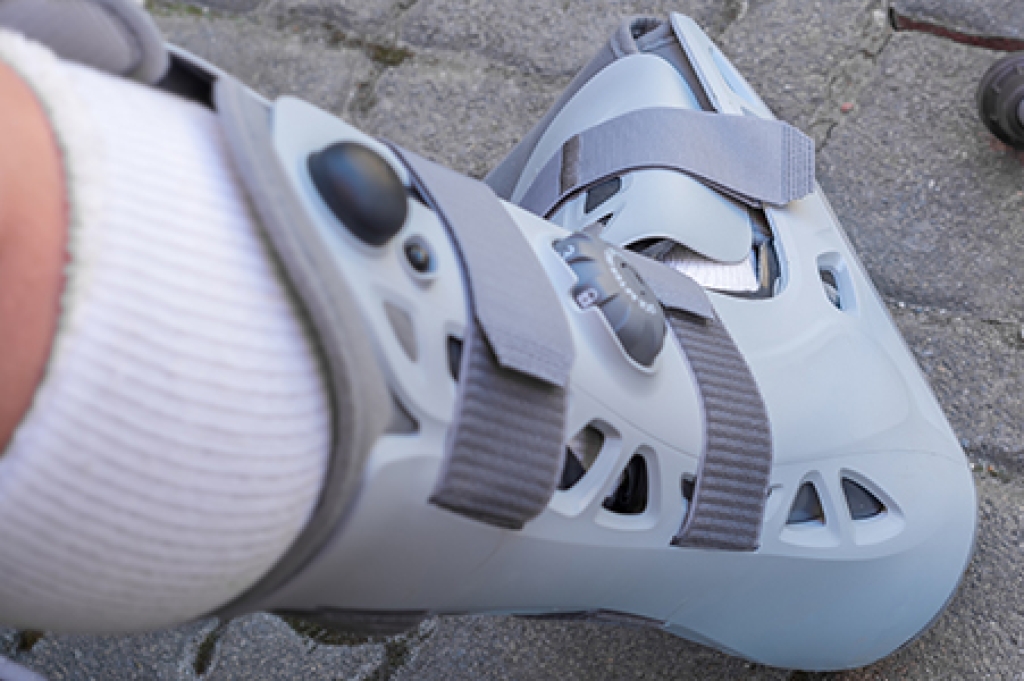
A walking boot, also known as a medical boot, is often used to stabilize foot or ankle injuries that require protection during healing. Walking boots are designed to limit motion and reduce pressure on the injured area while still allowing limited mobility. Conditions like fractures, sprains, stress injuries, and post-surgical recovery often call for wearing a walking boot. Constructed from rigid materials and secured with adjustable straps, the boot immobilizes the foot and ankle, helping maintain proper alignment and reduce strain on bones, ligaments, and tendons. By distributing body weight more evenly, a walking boot can also prevent aggravation of the injury during movement. A podiatrist can assess whether a walking boot is appropriate and ensure that it is fitted correctly. They can also monitor healing progress and determine when to transition out of the boot. If you have injured your foot or ankle, it is suggested that you schedule an appointment with a podiatrist for a diagnosis and appropriate treatment.

If you are having discomfort in your feet and would like to try orthotics, contact our podiatrists from Superior Foot & Ankle Center. Our doctors can provide the care you need to keep you pain-free and on your feet.

What Are Orthotics?

Orthotics are inserts you can place into your shoes to help with a variety of foot problems such as flat feet or foot pain. Orthotics provide relief and comfort for minor foot and heel pain but can’t correct serious biomechanical problems in your feet.

Over-the-Counter Inserts

Orthotics come in a wide variety of over-the-counter inserts that are used to treat foot pain, heel pain, and minor problems. For example, arch supports can be inserted into your shoes to help correct overarched or flat feet, while gel insoles are often used because they provide comfort and relief from foot and heel pain by alleviating pressure.

Prescription Orthotics

If over-the-counter inserts don’t work for you or if you have a more severe foot concern, it is possible to have your podiatrist prescribe custom orthotics. These high-quality inserts are designed to treat problems such as abnormal motion, plantar fasciitis, and severe forms of heel pain. They can even be used to help patients suffering from diabetes by treating foot ulcers and painful calluses and are usually molded to your feet individually, which allows them to provide full support and comfort.

If you are experiencing minor to severe foot or heel pain, it’s recommended to speak with your podiatrist about the possibilities of using orthotics. A podiatrist can determine which type of orthotic is right for you and allow you to take the first steps towards being pain-free.

If you have any questions, please feel free to contact our office located in Long Beach, CA . We offer the newest diagnostic and treatment technologies for all your foot care needs.

Read more about Foot Orthotics

Heel Pain in Growing Children

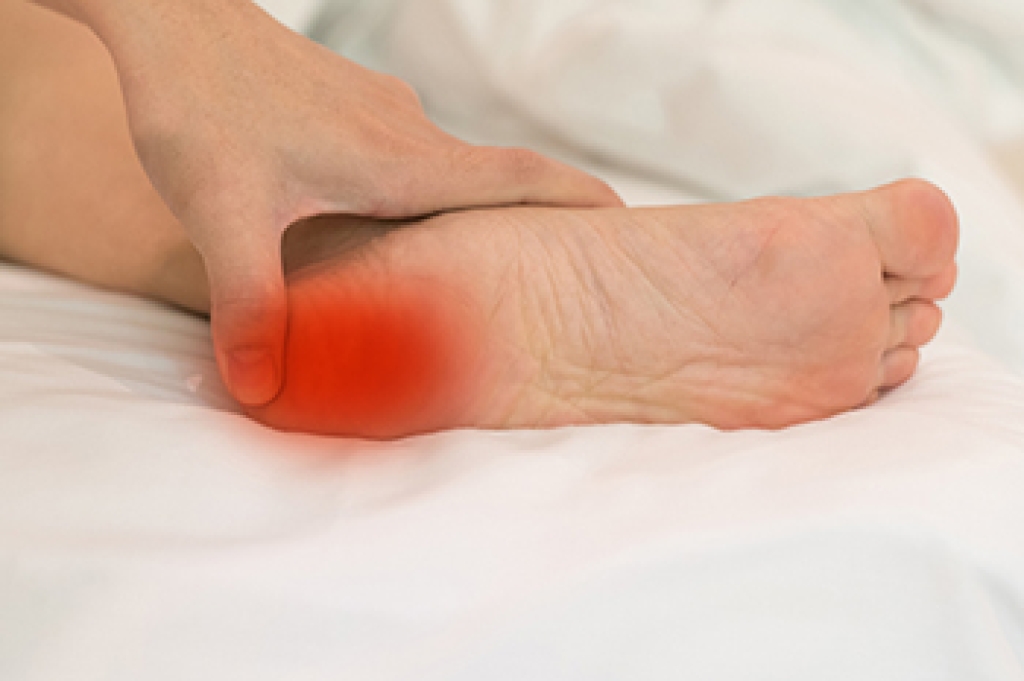
Sever’s disease, also known as calcaneal apophysitis, is a common cause of heel pain in children, especially during growth spurts between ages 8 and 14. It occurs when the growth plate in the heel becomes inflamed due to repetitive stress from sports or activity. A less commonly known fact is that Sever’s disease often appears in both heels, not just one. Symptoms include heel pain during or after activity, limping, walking on toes, and tenderness at the back of the heel. The heel may look normal but feels sore to the touch, especially after running or jumping. A podiatrist diagnoses Sever’s disease through a physical exam, symptom review, and sometimes imaging to rule out other conditions. Treatment includes rest, stretching exercises, heel cushions, supportive footwear, and sometimes custom orthotics to relieve pressure. If your child is dealing with this condition, it is suggested that you make an appointment with a podiatrist for evaluation and treatment.

Sever's disease often occurs in children and teens. If your child is experiencing foot or ankle pain, see our podiatrists from Superior Foot & Ankle Center. Our doctors can treat your child’s foot and ankle needs.

Sever’s Disease

Sever’s disease is also known as calcaneal apophysitis, which is a medical condition that causes heel pain I none or both feet. The disease is known to affect children between the ages of 8 and 14.

Sever’s disease occurs when part of the child’s heel known as the growth plate (calcaneal epiphysis) is attached to the Achilles tendon. This area can suffer injury when the muscles and tendons of the growing foot do not keep pace with bone growth. Therefore, the constant pain which one experiences at the back of the heel will make the child unable to put any weight on the heel. The child is then forced to walk on their toes.

Symptoms

Acute pain – Pain associated with Sever’s disease is usually felt in the heel when the child engages in physical activity such as walking, jumping and or running.

Highly active – Children who are very active are among the most susceptible in experiencing Sever’s disease, because of the stress and tension placed on their feet.

If you have any questions, please feel free to contact our office located in Long Beach, CA . We offer the newest diagnostic and treatment technologies for all your foot care needs.
Read more about Sever's Disease

Managing Flat Feet

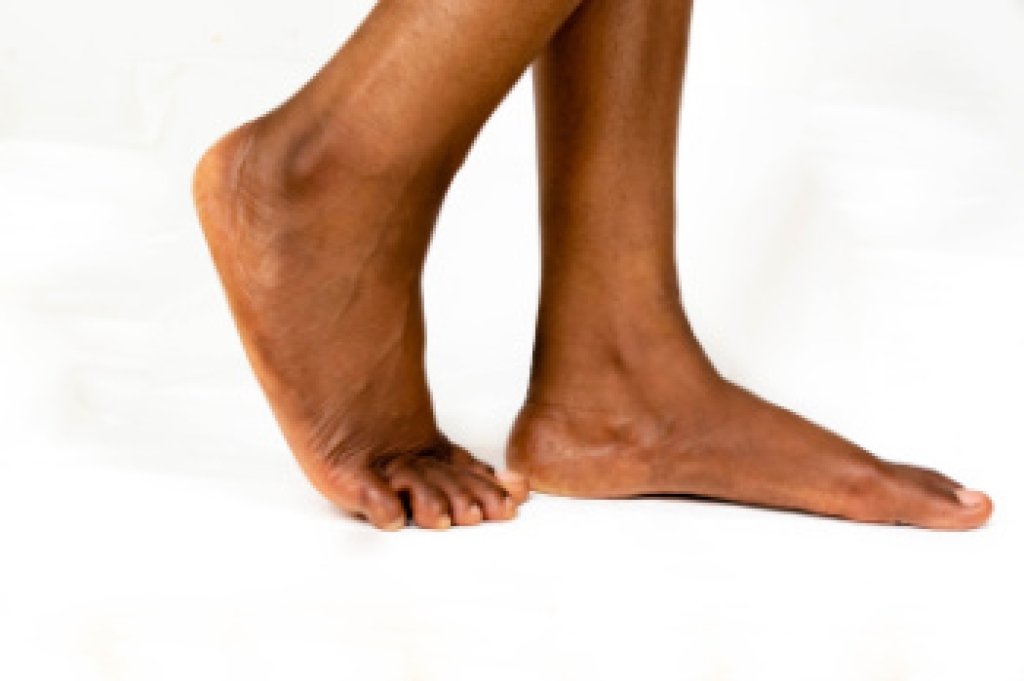
Flat feet or pes planus, occur when the arches of the feet collapse, causing the entire sole to touch the ground. This condition can be congenital or develop over time due to factors like injury, arthritis, obesity, or muscle weakness. Symptoms include foot pain, swelling along the inside of the ankle, and difficulty standing on tiptoes. Flat feet may cause uneven wear on shoes and lead to knee, hip, or back pain due to altered gait. Visually, flat feet appear as a lowered or absent arch when standing. Some people experience fatigue or discomfort after prolonged activity. A podiatrist can diagnose flat feet through physical examination and imaging studies. Treatment often involves custom orthotics to support the arch, stretching exercises, wearing proper footwear, and, in rare cases, surgery. If you have flat feet, it is suggested that you schedule an appointment with a podiatrist for evaluation and appropirate treatment.

Flatfoot is a condition many people suffer from. If you have flat feet, contact our podiatrists from Superior Foot & Ankle Center. Our doctors will treat your foot and ankle needs.

What Are Flat Feet?

Flatfoot is a condition in which the arch of the foot is depressed and the sole of the foot is almost completely in contact with the ground. About 20-30% of the population generally has flat feet because their arches never formed during growth.

Conditions & Problems:

Having flat feet makes it difficult to run or walk because of the stress placed on the ankles.

Alignment – The general alignment of your legs can be disrupted, because the ankles move inward which can cause major discomfort.

Knees – If you have complications with your knees, flat feet can be a contributor to arthritis in that area.  

Symptoms

  • Pain around the heel or arch area
  • Trouble standing on the tip toe
  • Swelling around the inside of the ankle
  • Flat look to one or both feet
  • Having your shoes feel uneven when worn

Treatment

If you are experiencing pain and stress on the foot you may weaken the posterior tibial tendon, which runs around the inside of the ankle. 

If you have any questions, please feel free to contact our office located in Long Beach, CA . We offer the newest diagnostic and treatment technologies for all your foot care needs.
Read more about Flatfoot

It's Time for Beautiful Feet

You don't need an excuse to have beautiful nails. Step outside without worrying about the appearance of your feet.

Connect With Us